


Our last blog featured a short explanation about the valuable work that our MOD War Detectives do as they work to identify the remains of unknown servicemen and women who paid the ultimate sacrifice during the two world wars and how the Commonwealth War Graves Commission work so hard to make sure the war graves are honoured and respected for future generations to come.
There must have been a scent of remembrance in the Stow air towards the end of May and beginning of June, potentially fuelled by this blog but more likely it was the D-Day commemorations having an effect. W. Bro Dominic Lane an Armed Forces Veteran and proud member of our Lodge explains how a routine journey to work made him pause and reflect. Dominic continues:
On my way into the city the other morning from Kingham, I arrived at Paddington Station a bit earlier than usual. With a few minutes to spare, I wandered down towards the end of the platform on a part of the station I don’t usually pay much attention to. It was quieter there, away from the rush of commuters.
That’s when I saw it.
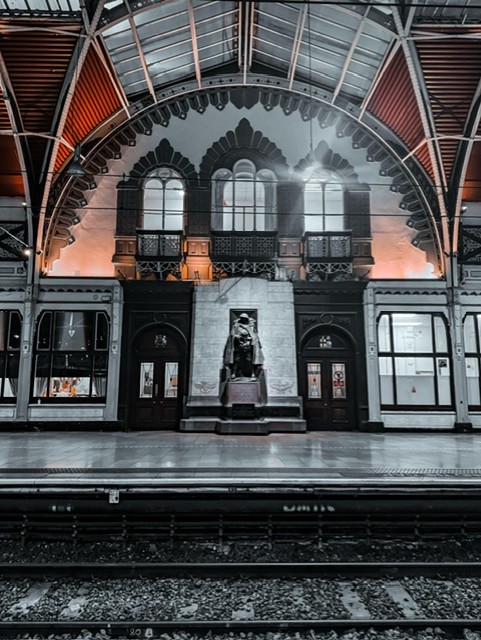
A war memorial I'd never noticed before was tucked away in a tranquil corner, almost blending into the grand old architecture. A statue, cloaked in a greatcoat and helmet, stood there in solemn dignity. A lone soldier, head slightly bowed, hands resting gently on his rifle , no glory or grandeur, just a calm, powerful presence.

Etched into the stone below him were the words: “In honour of those who served in the World Wars 1914–1918, 1939–1945.
3312 men and women of the Great Western Railway gave their lives for King and Country.” It genuinely stopped me in my ‘tracks'.
Amid the noise and constant movement of Paddington Station, this understated memorial stood as a powerful reminder of sacrifice. What made it even more poignant for me was thinking about those railway workers who were not just anonymous names in history, but real people, many of whom would have also been Freemasons.
Freemasonry was strong among railway workers during that era. Brotherhood, Service, and a sense of Duty are values at the heart of the rail industry and Freemasonry, which meant that many Great Western Railway employees were also members of local Lodges. In fact, throughout the First and Second World Wars, thousands of Freemasons answered the call to serve, with rail workers from Lodges across the country volunteering or being conscripted. Many never returned.
Their stories are quietly embedded in places like this. Their working lives were spent keeping Britain moving by rail, and their final service was given on the battlefield.
It reminded me that if you ever visit Freemasons’ Hall in London, take a moment to look at the memorials there too. The Roll of Honour in the Grand Temple and the Shrine of Remembrance list thousands of Brethren who served, including many from industrial backgrounds like the railways. It’s humbling.
I stood there at Paddington longer than I’d planned. And when I finally moved on to catch my train, I did so with a bit more reflection and a tremendous sense of gratitude for the sacrifices made by those men and women, and for the quiet, respectful way they’re remembered in the everyday places we pass through.
It reinforced in me that firm belief that we should always unite to remember all who have served, both past and present, in conflicts that span the years. We should forever celebrate them, their selfless service, and bravery. Remembrance is a deeply personal and emotional experience, and one that holds great significance for those who have served.
Next time you’re at Paddington Station, perhaps going to quarterly communications, make time to look. It’s worth the pause.
Thank you Dominic for sharing this poignant moment with us and thank you for your service.
We will Remember Them
 Login
Login
 Register FREE!